
Copyright © 2026
The Savor Society.
All rights reserved.
From ancient traditions to modern lattes — everything you need to know about matcha in one place.
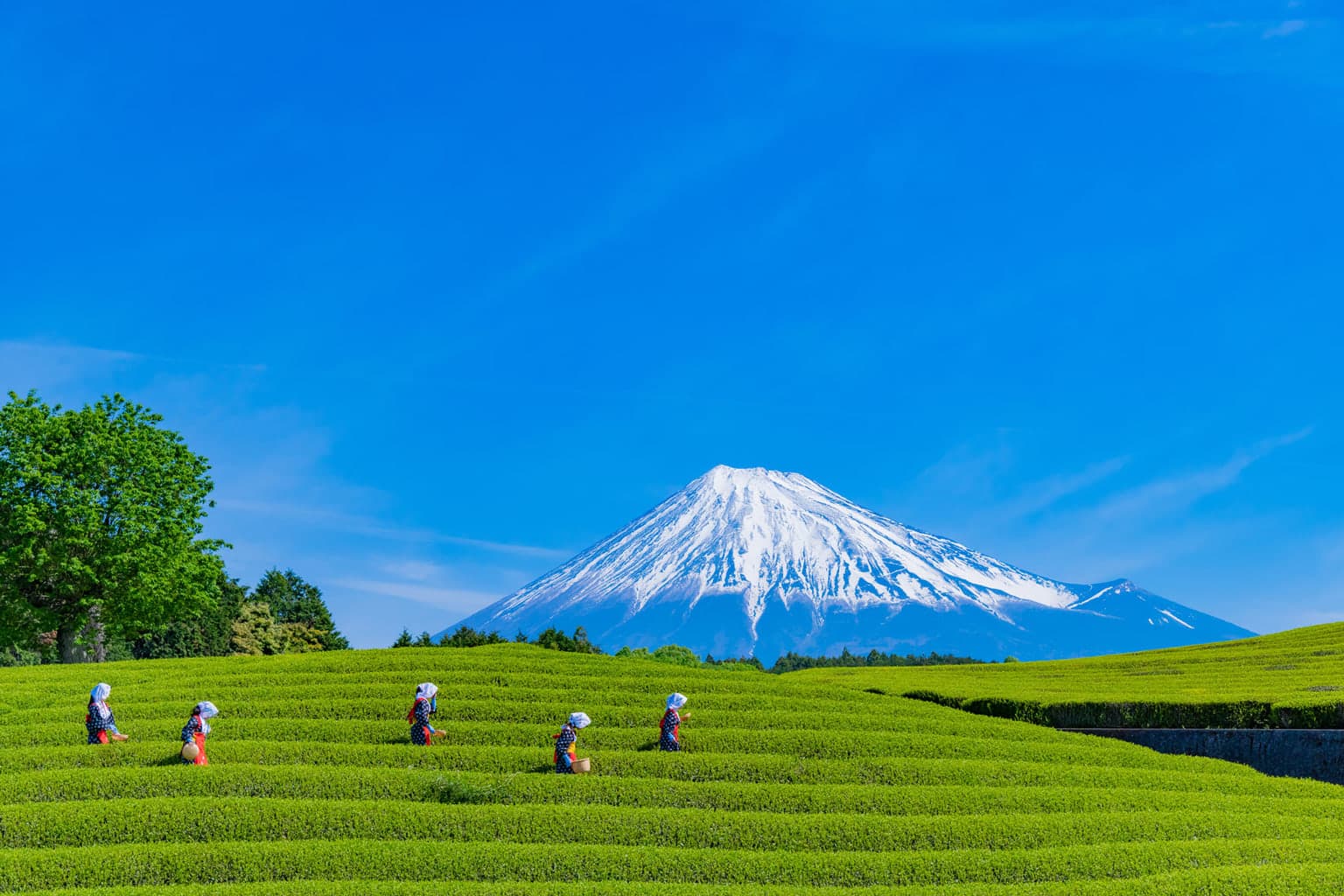
Matcha is finely ground powdered green tea, shade-grown and stone-milled. Unlike regular tea, you drink the entire leaf.
Higher nutrients & antioxidants; whole-leaf powder; more caffeine per cup.
Steeped leaves; lighter flavor; fewer nutrients per cup.
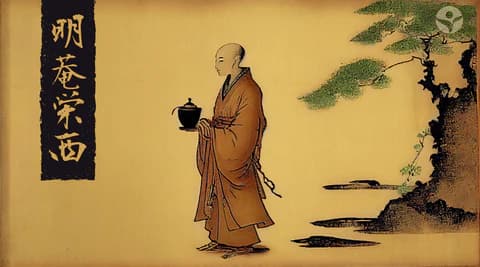
The earliest powdered teas appear in Tang dynasty China where Buddhist monks used powdered leaf as part of ritual and daily practice. The preparation emphasized whisking and drinking the whole leaf for sustained energy.
Zen monks brought powdered tea culture to Japan. Over the following centuries, the practice evolved into the highly codified chanoyu (tea ceremony) with aesthetics, hospitality, and mindfulness at its core.
By the medieval period, matcha was embraced by samurai for focus and ritual. Tea masters refined grinding, grading, and presentation — distinctions that still define ceremonial and culinary grades.
In the 20th and 21st centuries matcha traveled worldwide, finding new life in cafés, lattes, desserts, and health culture — while ceremonial traditions continue to be preserved and celebrated.
Powdered tea in China → transmission to Japan with Buddhist practice.
Ritualization in Japan: formal tea procedures, utensils, and aesthetic principles emerge.
Industrialization and export broaden matcha’s availability; modern grading systems develop.
Global café culture blends traditional matcha with new formats: lattes, baking, and wellness products.
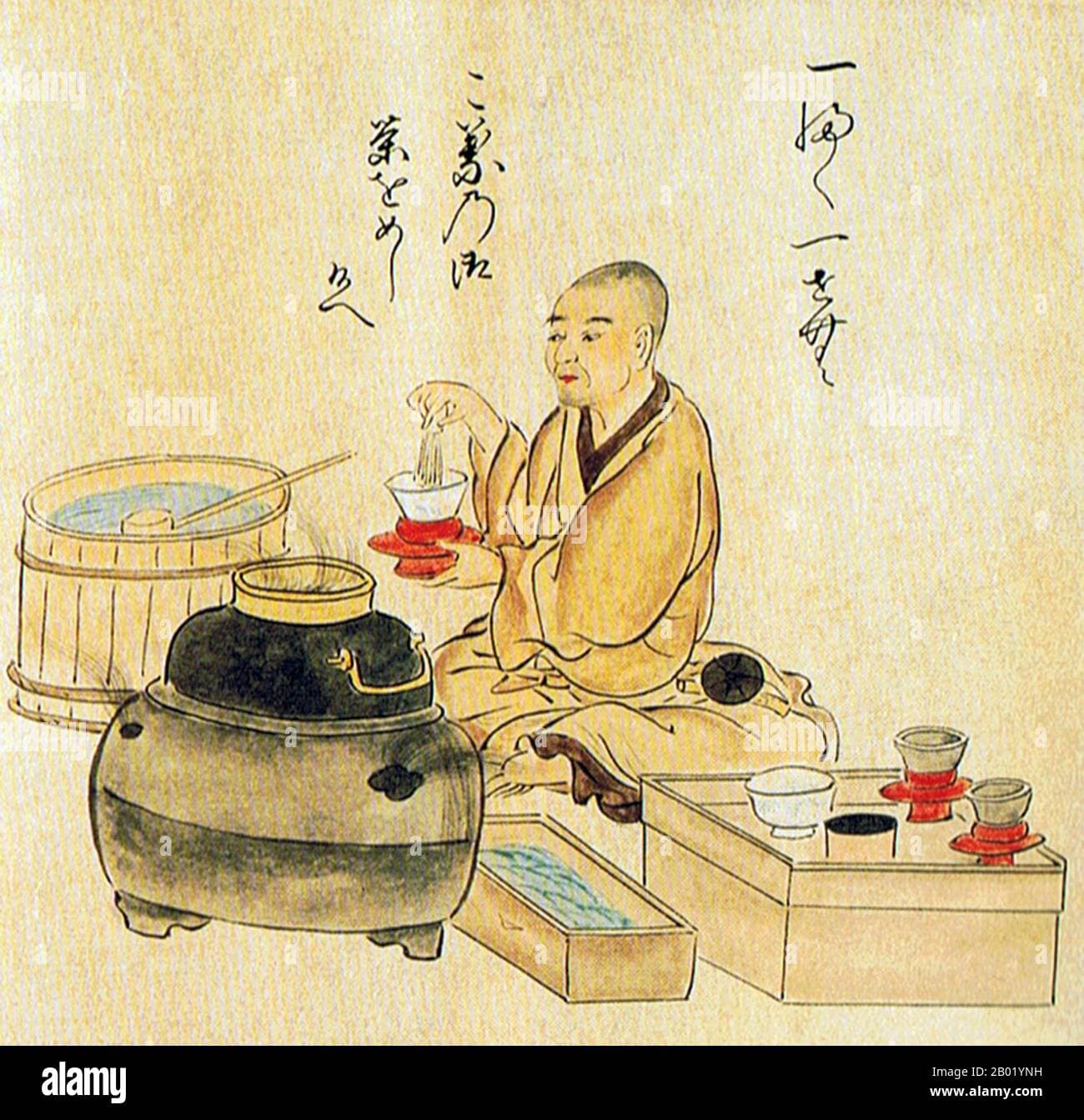
“A single cup of matcha is said to bring harmony to mind and spirit.”
The ceremonial roots of matcha emphasize hospitality, intentionality, and the aesthetics of simplicity — values that shaped how matcha is enjoyed for centuries.
The tea ceremony (chanoyu) influenced Japanese arts such as calligraphy, flower arranging, and ceramics — all part of a connected cultural practice.

Plants are shaded to boost chlorophyll and amino acids.
Young leaves are selected for the highest quality.
Leaves are quickly steamed to preserve color and nutrients.
Stone mills grind leaves into the fine powder known as matcha.
Use a bamboo whisk (chasen) and tea bowl (chawan). Sift 1-2g of matcha, add ~70ml hot water (80°C), whisk in a quick M or W motion until frothy.
Caffeine + L-theanine for steady focus.
Up to 3x more than green tea.
Supports memory and attention.
May support cardiovascular health.
Rich in polyphenols and nutrients.
💡 Did you know?
Tencha is the specific leaf product used for matcha: plants are shaded before harvest, leaves are steamed and deveined, then dried. That powder is what we call matcha, consumed whole rather than steeped.
While matcha’s ceremonial home is Japan, its flavors and uses have been adapted everywhere — from ritual bowls in Kyoto to creamy lattes in Melbourne. Below are regional notes and how local cultures reinterpreted matcha.
The heart of ceremonial matcha: precise grade distinctions, tea rooms, and ritual preparation. Ceremonial-grade matcha is reserved for tea ceremony and formal hospitality.
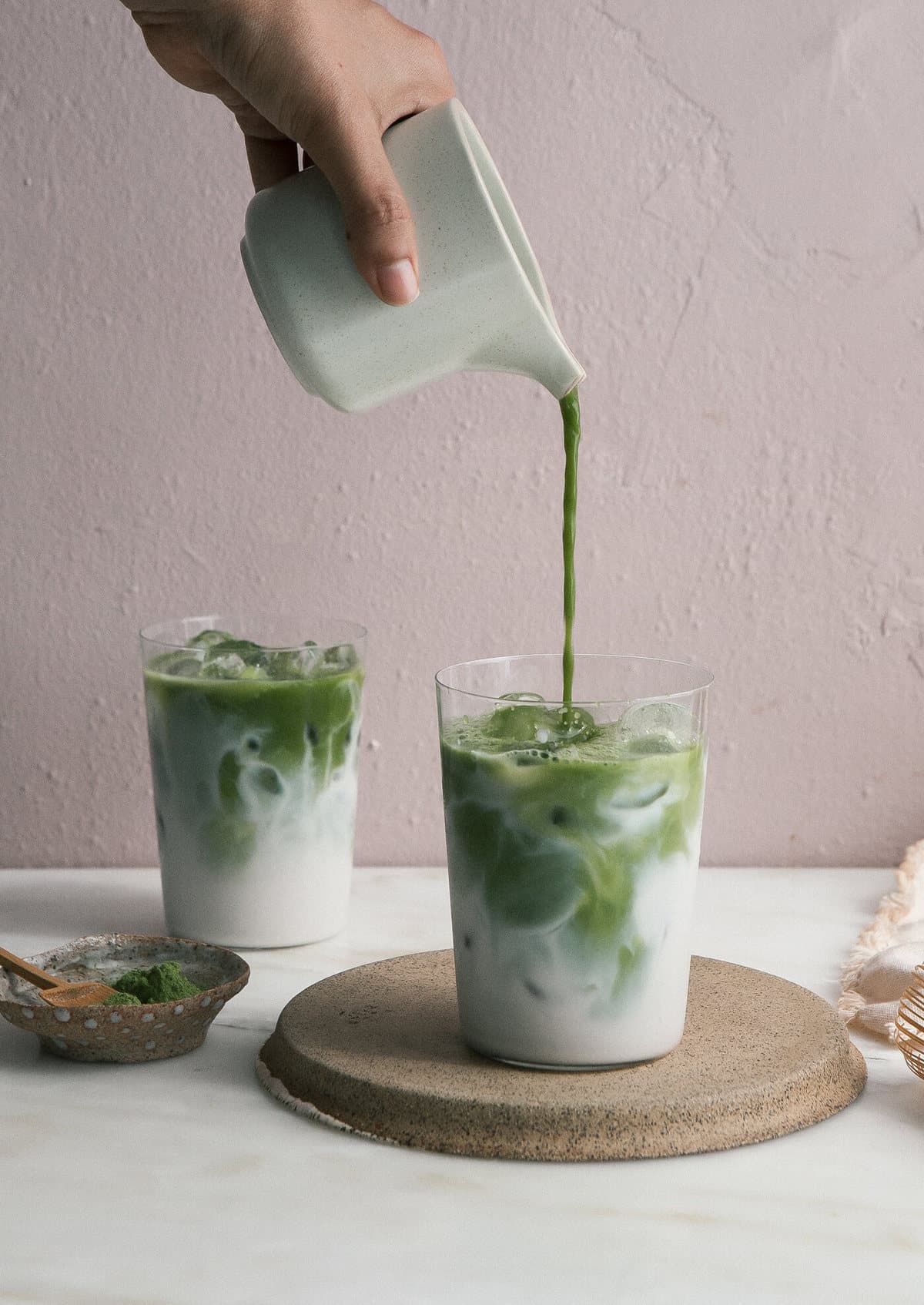
Rapidly growing café culture blends matcha with local tastes — iced matcha, sweetened lattes, and dessert pairings are popular.
Cafés and home cooks favor culinary-grade matcha for lattes, baking, and smoothies. Expect creative hybrids and sweetened menu items in many cities.
Patisseries and specialty cafes use matcha in pastries, chocolates, and modern desserts — often pairing it with citrus and stone fruits.
“From temples to TikTok — matcha connects cultures while keeping space for local creativity.”
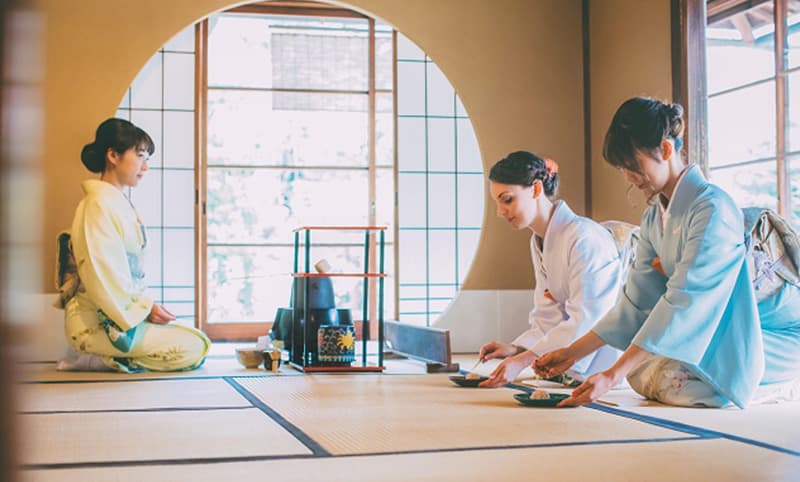
Matcha isn’t just a drink — it’s an experience. Mindful preparation brings calm and focus.
Rooted in Zen Buddhism, the Japanese tea ceremony (chanoyu) is a deliberate practice that emphasizes presence, respect, simplicity, and the careful appreciation of a single bowl of tea. Even outside formal settings, the core ideas encourage slow, attentive actions and hospitality.
Practicing these steps can become a short meditation: a moment to slow down, focus on sensory details (aroma, color, texture), and connect with others through an intentional act of hospitality.